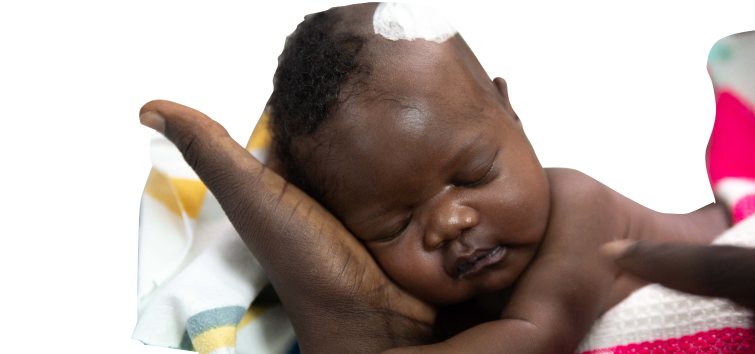
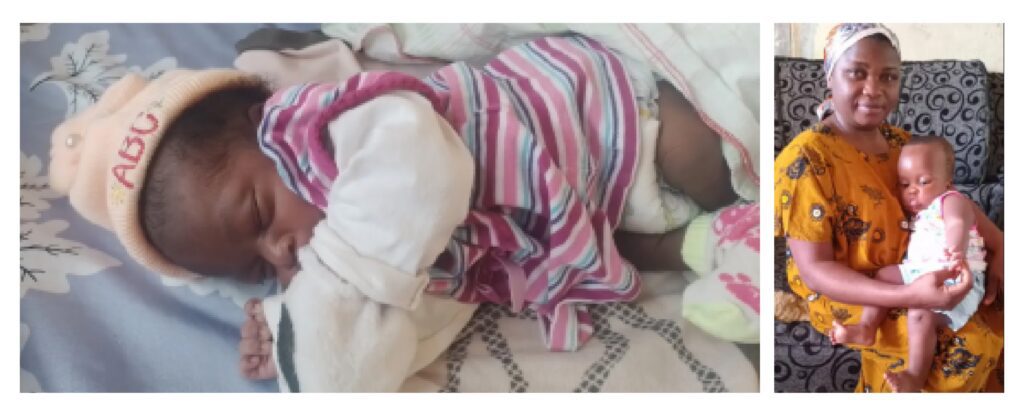
Teddy had never heard of Spina Bifida until her daughter, Destiny, was born.
The midwife who delivered Destiny was the first person to ever mention this to her. On hearing this, they were referred to Mulago National Referral Hospital in Kampala. Teddy and her husband arrived carrying a three-week-old child and questions they did not yet have the language to ask.
Teddy already knew loss. Her first child had not survived. So when Destiny came into the world with a condition no one had prepared her for, the fear that followed was not abstract; it was the same fear she had already lived through once.
“I don’t know whether I will be able to give birth to another child based on what I have faced,” Teddy said. “What did I do to deserve this? Will this child be like any other child? Will she be active? Will she be able to grow up and live a full life?”
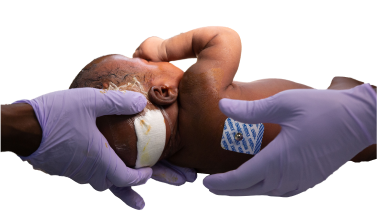
Destiny underwent successful surgery to repair her back at Mulago. She breastfed better after the operation than before. Her wound healed well. Within weeks, the family was discharged and returned home.
Across Uganda, there are many more mothers just like Teddy’s whose referrals lead nowhere because the nearest hospital lacks a neurosurgeon. This partnership, between CURE and Mulago, enabled a Neurosurgeon to be trained and to receive surgical equipment, which has translated into more children accessing life-saving surgeries at Mulago National Referral Hospital.
What Happened, and Why It Matters
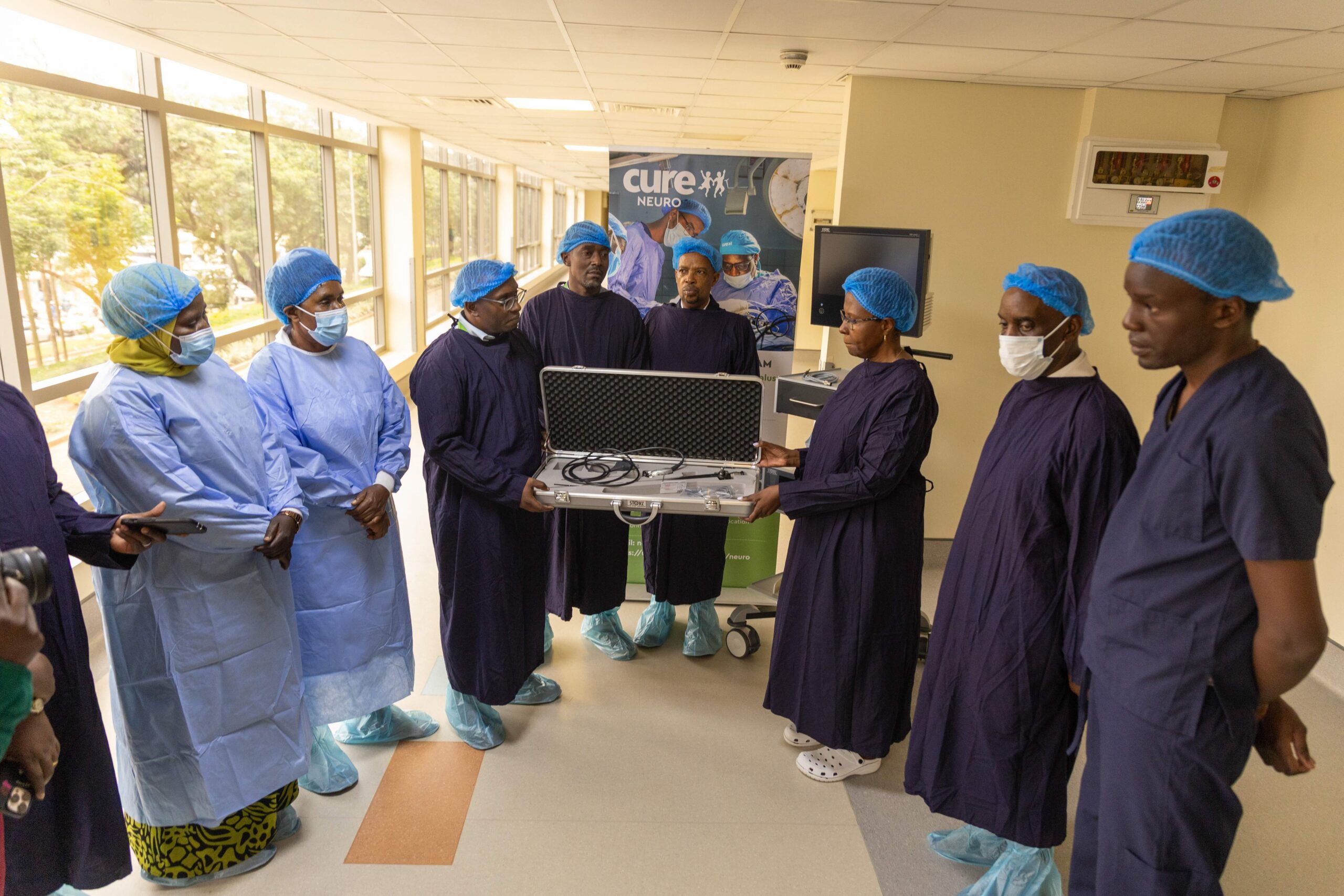
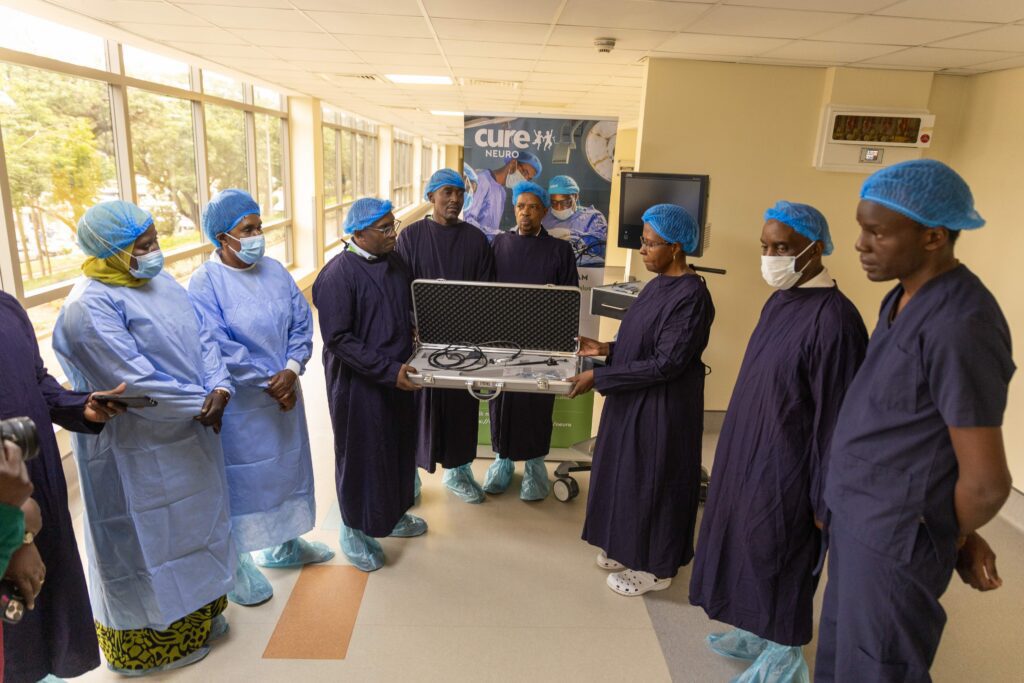
CURE Uganda, through its specialty Program CURE Neuro, recently donated a new Endoscopic Third Ventriculostomy (ETV) tower to the Department of Neurosurgery at Mulago National Referral Hospital in Kampala. The CURE Neuro Program team, led by Joshua Menya, Program Manager, and CURE Neuro Senior Program Coordinator Esseli Nabukwasi, handed over the kit to Dr. Rosemary Byanyima, Executive Director of Mulago National Referral Hospital, Kampala. Since signing the MOU in December 2024. Two Ward and two Theatre Nurses have been trained at CURE Uganda as a way to build capacity and improve patients’ neurosurgical care and outcomes.
A Procedure That Changes What’s Possible
To understand why this equipment matters, it helps to understand what it does.
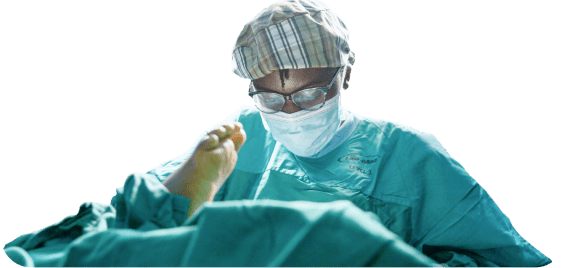
ETV+CPC is a minimally invasive surgical technique pioneered at CURE Uganda. Rather than implanting a shunt, a mechanical device prone to failure, revision, and complications, ETV+CPC uses an endoscope to create a natural bypass for cerebrospinal fluid while reducing its production at the source. For children with the most common forms of hydrocephalus in Uganda, particularly those caused by infection, it is a more appropriate, long-term, and less burdensome treatment.
Besides the seven-week Sponsored Fellowship Endoscopy training at CURE Uganda. Young surgeons in training through the COSECSA residency program get the privilege to be mentored by a CURE Faculty neurosurgeon for 12 weeks. To date, through the CURE Neuro training program, 91 neurosurgeons from 29 countries have been trained. Each surgeon trained goes on to reduce barriers to care for thousands of children they would otherwise never reach.
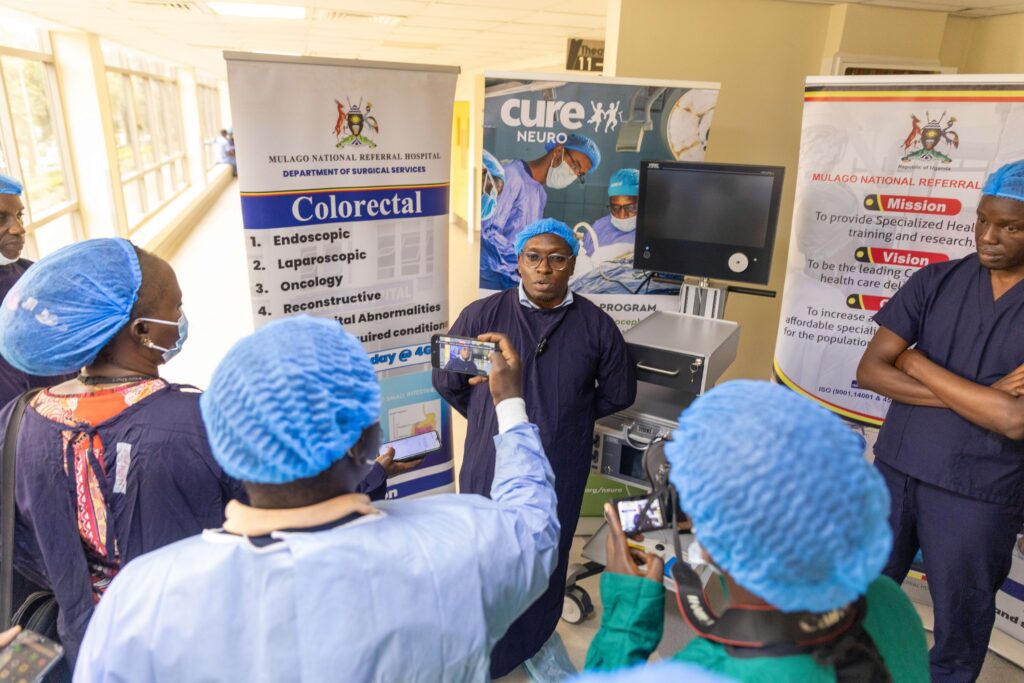
Joshua Menya, CURE Neuro Program Manager, oversees the program’s day-to-day operations, including managing global staff across Sub-Saharan Africa. For him, this handover means more children accessing life-saving surgeries.
“The CURE Neuro Program was never designed to keep expertise in one place,” Menya said. “We train neurosurgeons there by building capacity in the region, and then we walk alongside those partners so that what they’ve learned translates into more children receiving shuntless procedures, reducing shunt dependency. By donating the ETV kit to Mulago, CURE Uganda will be able to serve another population that would never walk into CURE Uganda.
“What we are building together with Mulago isn’t a handout, it’s a handoff. We pass on skills, we pass on equipment, and we stay in the relationship. That’s how the number of children who receive care will grow in a way that lasts.”
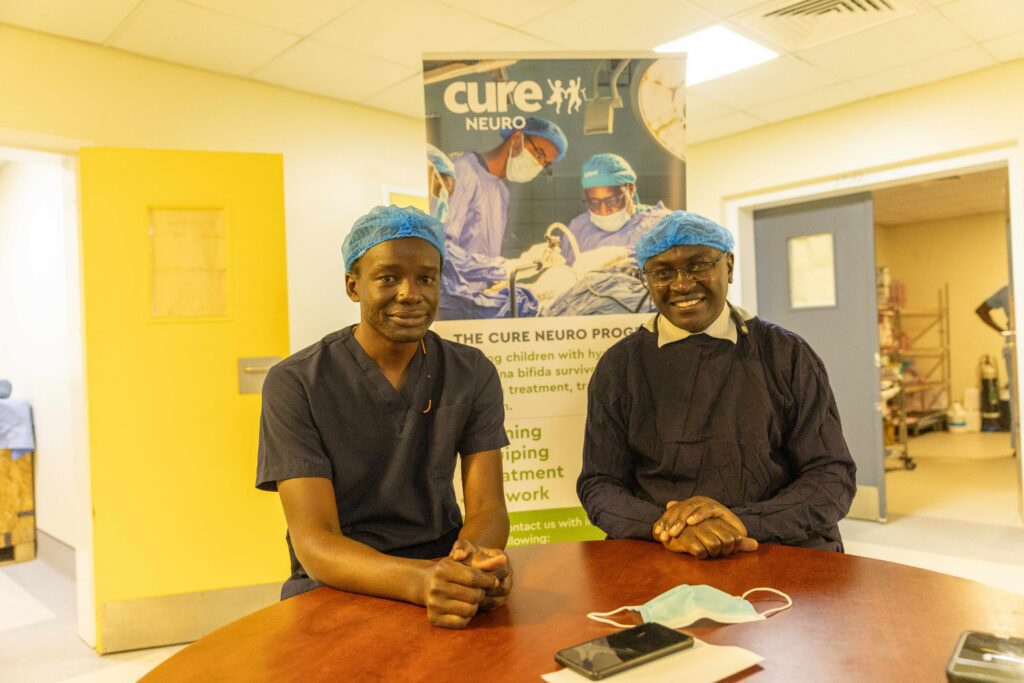
Dr. Joel Kiryabwire, Head of the Department of Neurosurgery at Mulago, was direct about the challenge his team faces daily.
“Hydrocephalus and spina bifida are the commonest neurosurgical conditions among children that we treat at Mulago,” he said. “The numbers are big, and the average hospital stay is three weeks, mainly because access to theatre and equipment is limited. This equipment will help us treat more patients, reduce hospital stays, increase output, and ultimately improve the lives of the young people we are treating.”
He was equally candid about where even CURE Uganda, despite its extraordinary work, reaches its limits. The hospital currently serves an estimated 20 percent of the children in Uganda who need neurosurgery. The remaining 80 percent are waiting, and closing that gap is not something any single institution can do alone.
Destiny was among the children who reached Mulago in time. But her story only became possible because a surgeon was there who knew what to do, with equipment to use, and because an institution had invested in ensuring that.
Dr. Paul Okiror, a CURE Neuro-sponsored fellow, completed his training in 2024. He has since become the biggest advocate for children with neurodegenerative defects at Mulago.
His time in Mbale changed how he thinks inside the theatre. “Training at CURE Uganda gave me a framework for thinking about these children differently,” Dr. Okiror said. “ETV+CPC is a philosophy of doing more with less and causing the least harm possible. Coming back to Mulago, I carry that with me every time I walk into the theatre.”
But the gap between knowledge and capacity to act on it is real, and Dr. Okiror has lived on both sides of it.
“When you have been trained to perform a procedure, and you come back to a setting where the equipment does not exist, something breaks inside you. You see the child. You know what needs to be done. And you cannot do it. That is not a clinical problem; it is a moral one. Every day that passes without the right tools is a day a child waits who does not need to.”
The arrival of the ETV+CPC tower changed that calculus.
“This tower is what makes what we learned real. We have the knowledge. Now we have the tool. And with both, we can begin to close the distance between the children who need this surgery and the day they actually receive it.”
For Dr. Okiror, the significance extends beyond Mulago’s own theatre walls. He understands, from his work, what it means to be a child in a country where trained hands and proper tools exist somewhere, just not where you are.
“Most of the children who need this surgery are not going to find their way to a specialist hospital on their own. Their families do not know the name of the condition. They do not know there is a procedure that can treat it. They know only that their child is suffering. When we build capacity here at Mulago, we are not just adding a surgical option; we are adding a point of access for families who would otherwise have nowhere to go. That is what this partnership means to me. Not the equipment, but the child who can now be reached.”
He is also clear-eyed about what it will take to sustain the momentum.
“One tower and one trained surgeon is a beginning. The work of capacity building is not complete until there are enough trained hands and enough equipped theatres that no child in Uganda is turned away because the nearest hospital cannot treat them. We are far from that. But we are closer than we were. And we cannot stop here.”
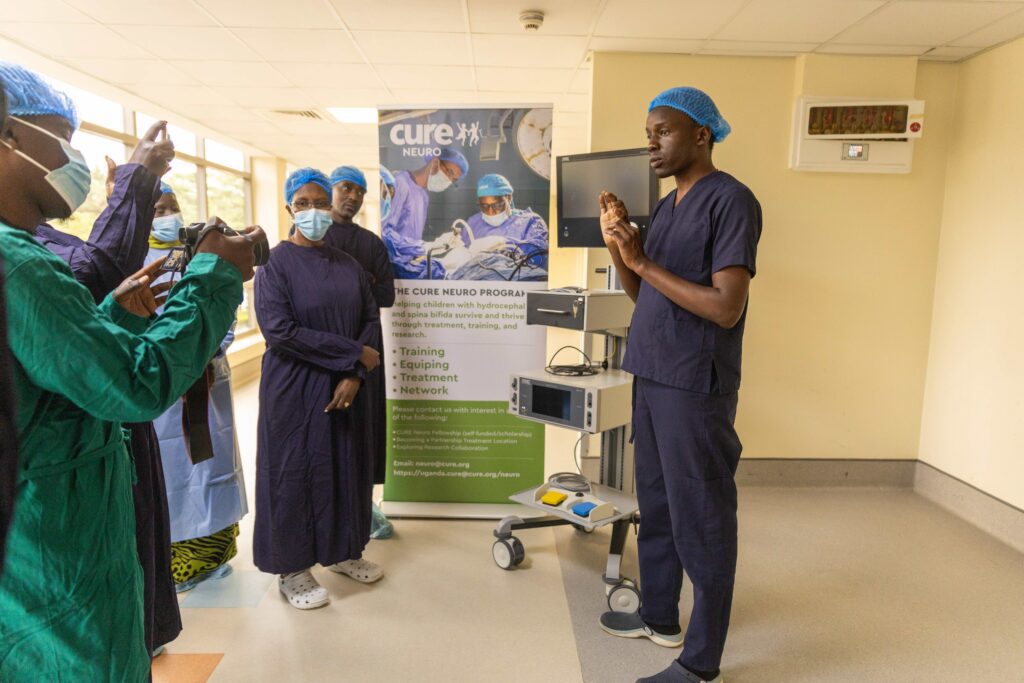
What is notable about this collaboration is that neither institution positions itself as the senior partner. CURE Uganda brings high volumes of pediatric neurosurgical procedures and a globally recognized training program. Mulago, Uganda’s national referral hospital, brings institutional reach and a patient population that extends far beyond what Mbale can absorb. Each brings what the other cannot replicate on its own.
Dr. Kiryabwire put it plainly: “There is no way that one institution can manage pediatric neurosurgery in this country. Uganda is basically a pediatric population, and the number of patients who require neurosurgery is quite high.”
Dr. Rosemary Kusaba Byanyima, Executive Director of Mulago, spoke to what the formalization of this relationship means in practice: “We have been working together, and now we are strengthening the way our people have gone there for training, both doctors and nurses, and now they are giving us equipment. We signed an MOU to formalize our collaboration because we complement each other, and they sometimes have opportunities where our people and patients can also benefit.”
She was honest about what one tower still represents: a beginning, not a finish line.
“We don’t take that for granted. We need many more pieces of equipment, and having one tower is not good enough. If one piece of equipment goes down, we lose days. So this gives us more reason not to relax; we should make sure we look for resources so we have a second one. A second set of equipment will allow many more pediatric patients to receive neurosurgery.”
Investing Beyond Our Own Walls
“We want to heal as many children as possible,” says Tim Erickson, Executive Director of CURE Uganda. “But we’re just one hospital, so that’s why we are investing in training neurosurgeons, to improve the quality and accessibility of specialized pediatric neurosurgical care in underserved countries across the continent.”
That sentence carries more weight than it might first appear. For a hospital that has spent 25 years building one of Africa’s most recognized pediatric neurosurgical centers, choosing to invest in the capacity of other institutions, to train their surgeons, share hard-won knowledge, and now donate equipment, reflects a particular kind of institutional generosity. It is the decision to measure success not by how many children pass through your own doors, but by how many children are reached, wherever they are.
It is also a statement of faith. CURE Uganda was founded on the conviction that every child, regardless of where they are born or what their family can afford, is known and loved by God, and that this truth obligates action. Partnering with Mulago National Referral Hospital, equipping its surgeons, and committing to walking alongside that institution in the long term are not strategic maneuvers. It is a mission, lived outward.
Teddy left knowing her daughter had been seen, treated, and given a chance. That is what this partnership is building, not just surgical capacity, but a place where families like hers do not have to face the unknown alone. Through training, equipping, and staying in relationships, more families in more places can receive neurosurgical care.
Want to Learn More?
Hydrocephalus, spina bifida, and related neurological conditions affect hundreds of thousands of children across sub-Saharan Africa every year. Many of them are treatable with the right surgeon, equipment, and support in place.
CURE Uganda has spent 25 years building that support. Through the CURE Neuro Program, we are training neurosurgeons, building partnerships, and equipping theatres that will enable the next generation of children in Uganda and across the continent to receive the care they deserve.
Learn more about the conditions we treat and the work of the CURE Neuro Program at https://uganda.cure.org/neuro.
About the CURE Children’s Hospital of Uganda
CURE Children’s Hospital of Uganda has been a place of hope since opening its doors in 2001. It is one of Africa’s leading pediatric hospitals for brain surgery and the treatment of neurological conditions. Our teaching hospital has an 18-bed Intensive Care Unit and 59 ward beds, three operating rooms, and an outpatient clinic. In addition to world-class medical care, our team ministers to the emotional and spiritual needs of our patients and their communities.